Breaking News: He Woke Up and Turned his Swag on Again
Relieving Cognitive Debt Through Incentives
Every time you let AI do your thinking for you, you save time now but lose skill later, that's "cognitive debt." In sports, the better you play, the more you get paid, so people push themselves. But in school and work, getting better doesn't pay off the same way, so why would anyone care? Noble Mobile is a good example of fixing this; it's a phone plan that pays you for using less data, which bribes you into a healthier habit. The same idea could work for AI: instead of just telling people "don't cheat yourself out of learning," we should reward people for building real skills instead of taking shortcuts.
Nuri Robinson
6/29/20263 min read
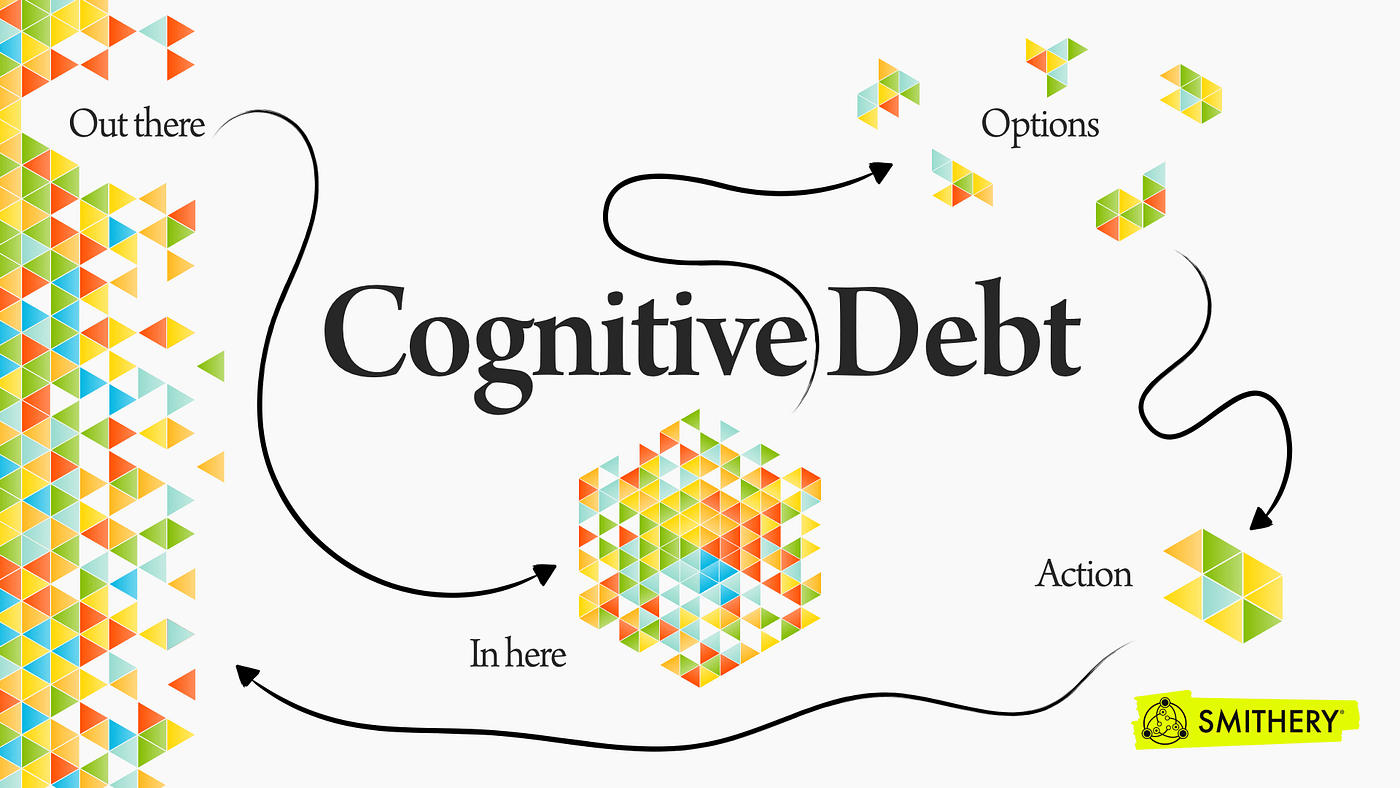
I saw a video on TikTok about cognitive debt from (@ashinishashidaran). The idea is that every time you let a tool do your thinking for you instead of doing it yourself, you get a short-term win and finish the task faster, but you are borrowing against your own capability, which leads to the skill eventually dying out.
I then compared this to the idea of capability and how, in different industries, technology affects capabilities differently, using the comparison of sports vs. the workforce:
Augmentation in Sports: All of the technology that is used for athletes is to make them more capable people
AI-powered film analysis: breaking down film faster and catching patterns
Smart recovery systems: recovery tech that helps your body bounce back between training sessions
Shooting/Jugs machines: machines that allow you to practice repetitive actions more easily
Sensor-embedded gear: technology built into the equipment athletes wear to capture performance data
Workload tracking systems: monitoring how much strain your body can handle before injury risk climbs
Automation in the Workforce: Technology is used to do "the job" more efficiently
Summarizing and writing emails
Chatbots handling customer service inquiries
Automated resume screening in HR/recruiting
Food delivery robots
I think it’s interesting to look into why this is the case. I assume it's because of financial incentives. In sports, people want to watch athletes play at the highest level, and they will pay for it, leading to the sports industry earning more money when athletes perform at a higher level.
Conversely, in the workforce, the desired output is efficiency because the more one person can produce, the more the company can make. So the company incentivizes speed over true understanding. We've also seen this for a while in the education system: while school used to be about learning, it has transformed into getting good grades, since good grades lead to the desired outcomes of a job, money, or whatever else they want to do. So students do whatever it takes to get a good grade on the test, but they never truly learn it in a meaningful way.
This leads me to believe that incentives are the most important factor in driving results from the research that comes out. Meaning that when research is done, and we get a new finding on how to better interact with technology in a healthy way, we should implement it through incentives.
Case Study: The company Noble Mobile is a phone service provider whose deal looks like this: let's say your phone bill is $50; they give you X amount of data, and if you use less than the allotted data, they will pay you back a percentage of your monthly bill.
This is important to note because it is one of the best examples of a research-backed, incentive-based company. They started because research showed that phone overuse is detrimental to people, and because a trend indicated that people wanted to get off their phones and be more in the moment. They then found a way to incentivize people to use their phones less while maintaining a profitable business model.
In sports, the incentive is already there: the better you play, the more you get paid. In school and at work, "better" isn't so clearly defined or rewarded. So, by itself, it does sound a little crazy that I would be asking people to put in more effort (independent learning, slower work output, and potentially worse short-term grades) without seeing any immediate payoff, which is exactly why these areas need deliberate incentives to encourage improvement. Those incentives can take many forms, from policy changes to more parent involvement.
To better describe what I mean by "incentives": these are ways governments, employers, schools, insurers, or parents could reward people for using AI/technology generally responsibly, nudging behavior with rewards instead of rules. (To be upfront: the examples below aren't equitable as-is; they'd benefit some people more than others. I'll be speaking on this more in follow-up posts.)
Examples of incentives include:
Work bonuses for employees who use AI tools effectively
Extra credit in school for students who work with an AI tutor
A "teaching mode" being the free option on AI tools (instead of giving you the answer, it walks you toward it, so the free tier still builds skill)
A 4-day work week, with the 5th day set aside as a government-funded learning day
Tax credits for businesses that train staff on AI tools
Grants or stipends for teachers who redesign their curriculum around AI-literacy goals
Cognitive debt is the kind of problem that's easy to diagnose and hard to fix, because knowing a behavior is harmful has never been enough to stop it. Just look at smoking, junk food, or doomscrolling itself. What Noble Mobile gets right is that they built a business around making the solution more enticing than the problem. That's the model I want to see applied to new technologies, a structure that makes the harder, slower path to enhanced capability the one people actually choose.