Breaking News: He Woke Up and Turned his Swag on Again
Above the Influence
This article is about how TD Bank and Nike released ads around the same time with opposing messages about technology, one encouraging people to embrace and assist it, the other to resist it, and how this kind of subtle, subconscious messaging from brands will shape how different groups of people think about and relate to technology.
OPINION
Nuri Robinson
4/20/20262 min read
Competing Cultural Narratives About the Future
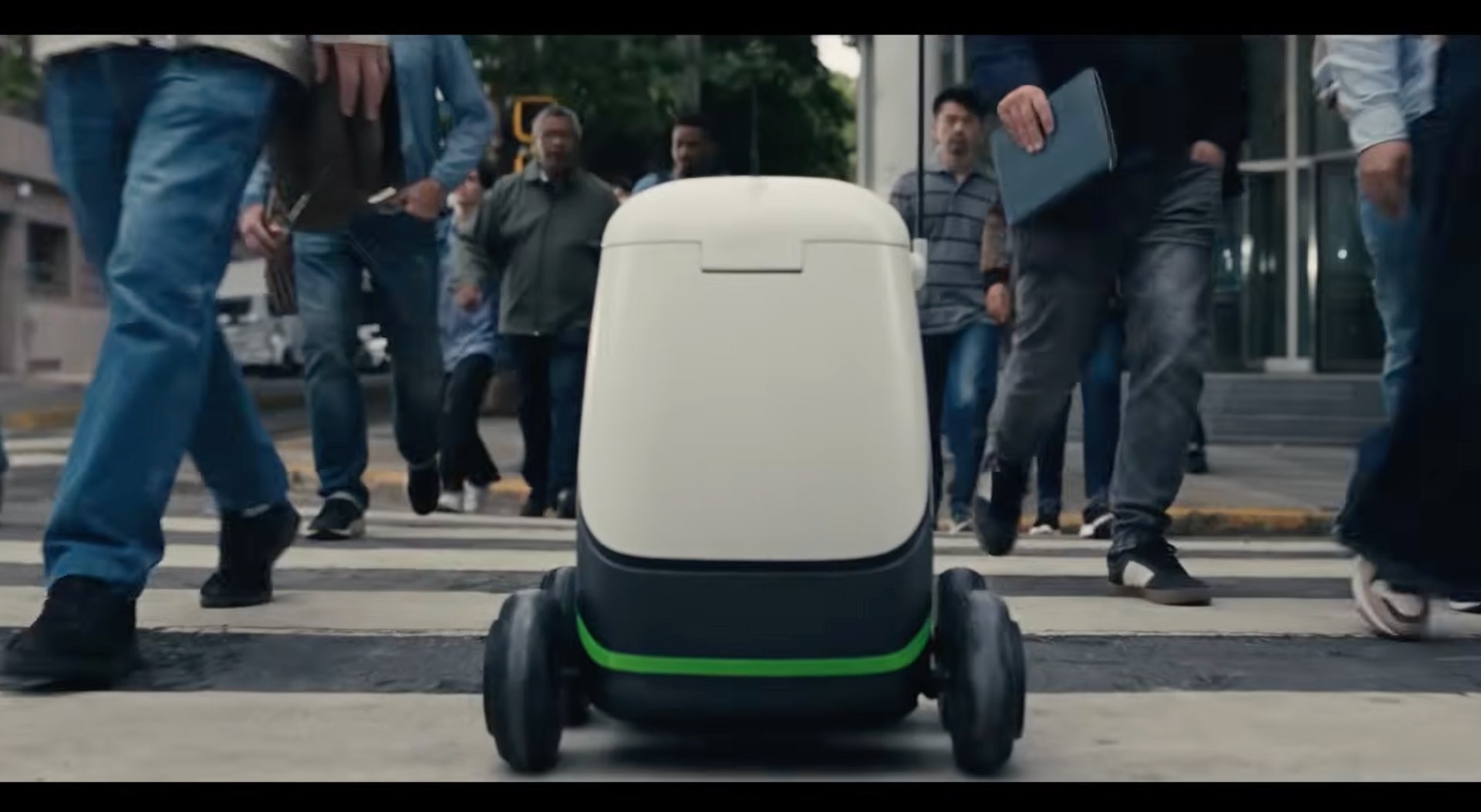
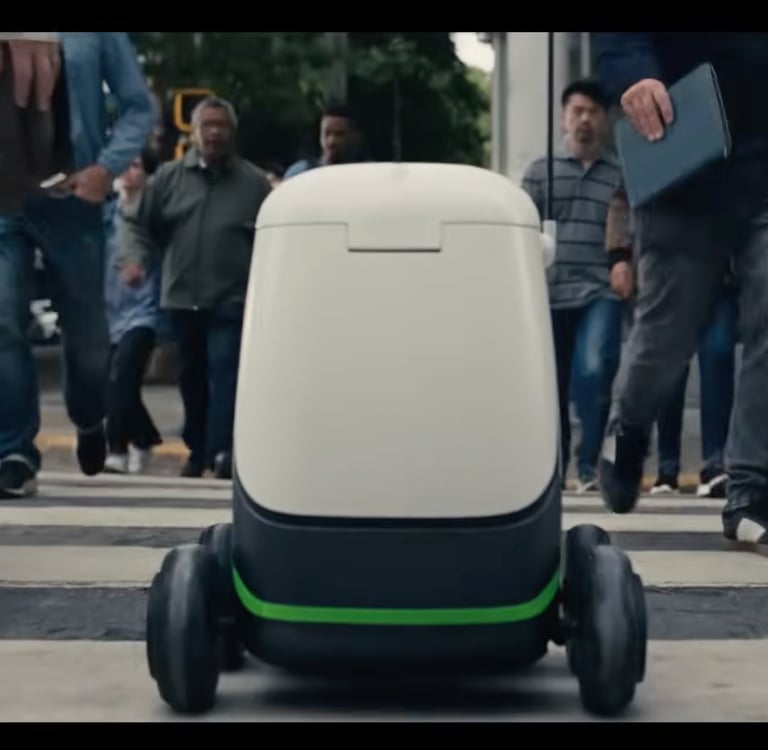
TD Bank released an ad featuring one of those food delivery robots tripping on a curb, followed by a person helping the robot back up. The depiction of a human helping a robot is a socialization tool, one that places an expectation on people to assist robots and, in doing so, subconsciously trains us to become more comfortable in a world where we co-exist with them. In this piece I won't give my opinion on whether this is a net positive or negative, but what I want to do is compare it with another ad that came out around the same time from Nike.
Nike dropped the "Above the Influence" campaign, and one of the assets featured an older gentleman wearing a pair of Air Maxes while standing on top of a food delivery robot, making a claim about being above the influence (of technology). When I saw this ad, things started to really click for me, because the timing was funny. One company was showing how we should help and embrace a more technological future, while another was suggesting we resist it, all without either one ever saying anything directly on the topic.
Media Shapes Public Attitudes Toward Technology
I believe both of these are early examples of subconscious messaging that will shape how people view technology. They're showing people that when X happens, do Y. This same method is used in children's media, an example being Dora the Explorer. The whole show is built around problems happening in Dora's life that mirror situations children face, with Dora modeling how they should respond.
Industry Incentives Shape Messaging
Additionally, different industries may portray technology differently based on their business needs. Banks benefit from consumer trust in digital transformation. As they are increasingly relying on digital behavior, mobile banking, AI customer service, and fraud detection, and want customers to adopt new products that are largely technology-driven. For that to work, customers need to trust digital systems. If people fear automation or perceive technology as cold and confusing, they may resist using those services.
Lifestyle brands, on the other hand, may benefit from messaging around authenticity, autonomy, and human individuality. Nike wants people to feel that all they need are their own two feet. The thinking goes that more time spent on technology means less time moving. I've written before about how advances in sports film technology could allow players in physically demanding sports like football to reduce contact by substituting a day of practice for more efficient film study. However, for a brand like Nike, more reliance on technology means fewer physical products being used.
Audience Segmentation and Ideological Influence
Because both TD and Nike have wide demographics, so their messaging reaches a broad audience and socializes people in different directions. But as niche brands begin taking a stand on this topic, their messaging will increasingly shape how distinct consumer groups think about technology, with people potentially developing different beliefs about it depending on which brands and media they follow.
Conclusion
I’m writing this because I think it’s interesting to see the ways media impacts our perception on technology, and we will definitely see more examples of this. Companies will start to use media as a battleground to push which ever agenda helps their profits. So just be aware of this and try to make choices based on what you personally believe not what is being forced apon you.